5 Reasons Employers Should Include Sex Offender Registry Searches
Background screening helps employers make informed hiring decisions, reduce risk, and create safer workplaces. While criminal history searches are common in most screening programs, one component that is sometimes overlooked is the sex offender registry search.
Sex offender registry searches review publicly available databases that track individuals legally required to register due to certain offenses. Including this search in your screening process can provide an additional layer of protection for organizations and the people they serve.
When evaluating whether to include this check in your background screening program, the data tells a compelling story. Here are five statistics that highlight why sex offender registry searches matter.
1. Over 900,000 Registered Sex Offenders Are Listed Nationwide
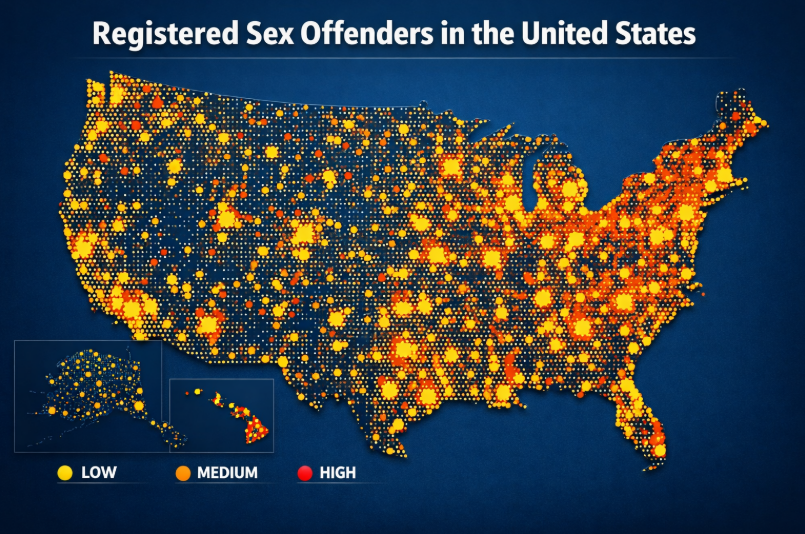
According to the National Sex Offender Public Website (NSOPW) maintained by the U.S. Department of Justice, there are more than 900,000 registered sex offenders in the United States.
These registries exist because individuals convicted of certain offenses are legally required to register their location with authorities.
For employers, this means the likelihood of encountering a registered offender during the hiring process is not insignificant, especially for organizations with large applicant pools or high turnover.
Including a sex offender registry search helps ensure this information is identified during screening rather than discovered later.
2. Many Offenses Occur in Familiar Environments
Research from the U.S. Department of Justice indicates that in many cases, victims know the offender. Offenses often occur in environments where individuals interact regularly, such as workplaces, schools, community organizations, or service environments.
This is particularly important for employers whose staff interact with:
- Children
- Patients
- Clients
- Students
- Vulnerable populations
Organizations that serve these groups often implement additional screening measures to reduce potential risks.
3. Workplace Incidents Can Lead to Significant Liability
Negligent hiring claims can be costly for employers. According to industry risk management reports, negligent hiring lawsuits can result in settlements or judgments reaching hundreds of thousands or even millions of dollars, depending on the circumstances.
When an employer fails to conduct reasonable background screening and an incident occurs, organizations may face:
- Legal liability
- Regulatory scrutiny
- Reputational damage
- Financial losses
Including appropriate screening searches, such as sex offender registry checks when relevant to the role, can demonstrate due diligence in hiring practices.
4. Certain Industries Face Higher Screening Expectations
Organizations in industries that serve vulnerable populations often have stricter screening expectations or requirements. For example:
- Healthcare providers frequently implement expanded screening protocols for patient safety.
- Educational institutions often require screening measures for employees who interact with minors.
- Nonprofit and social service organizations may adopt enhanced checks as part of risk management policies.
In many of these sectors, sex offender registry searches are considered a standard part of a responsible screening program.
Including this check helps organizations align with industry expectations and maintain safe environments.
5. Comprehensive Screening Reduces Hiring Blind Spots
No single background check provides a complete picture of a candidate’s history. Effective screening programs typically combine multiple searches to evaluate different risk factors.
A comprehensive screening program may include:
- Criminal history searches
- Employment verification
- Education verification
- Motor vehicle records
- Drug testing
- Sex offender registry searches
Each component helps reduce blind spots in the hiring process. When employers rely on multiple sources of information, they gain a clearer and more complete view of potential risks.
Building a Stronger Background Screening Strategy
Sex offender registry searches are just one part of a well-rounded screening program, but they can provide valuable insight depending on the position, industry, and level of risk involved.
Organizations that regularly review and update their screening policies are better positioned to:
- Protect their employees and clients
- Maintain safe work environments
- Demonstrate responsible hiring practices
- Reduce potential liability
Working with an experienced background screening partner can help ensure your screening program is tailored to your organization’s needs while remaining compliant with applicable laws and regulations.
Final Thoughts: Safeguarding Your Workplace & Reputation
Background screening is ultimately about trust and safety. Including a sex offender registry search can help employers identify potential risks, strengthen hiring decisions, and protect the people who rely on their organizations every day.
As workforce expectations and workplace safety standards continue to evolve, employers who prioritize comprehensive screening will be better prepared to build strong, secure teams.