The Rise of Fake Candidates: What HR Needs to Watch for in 2026
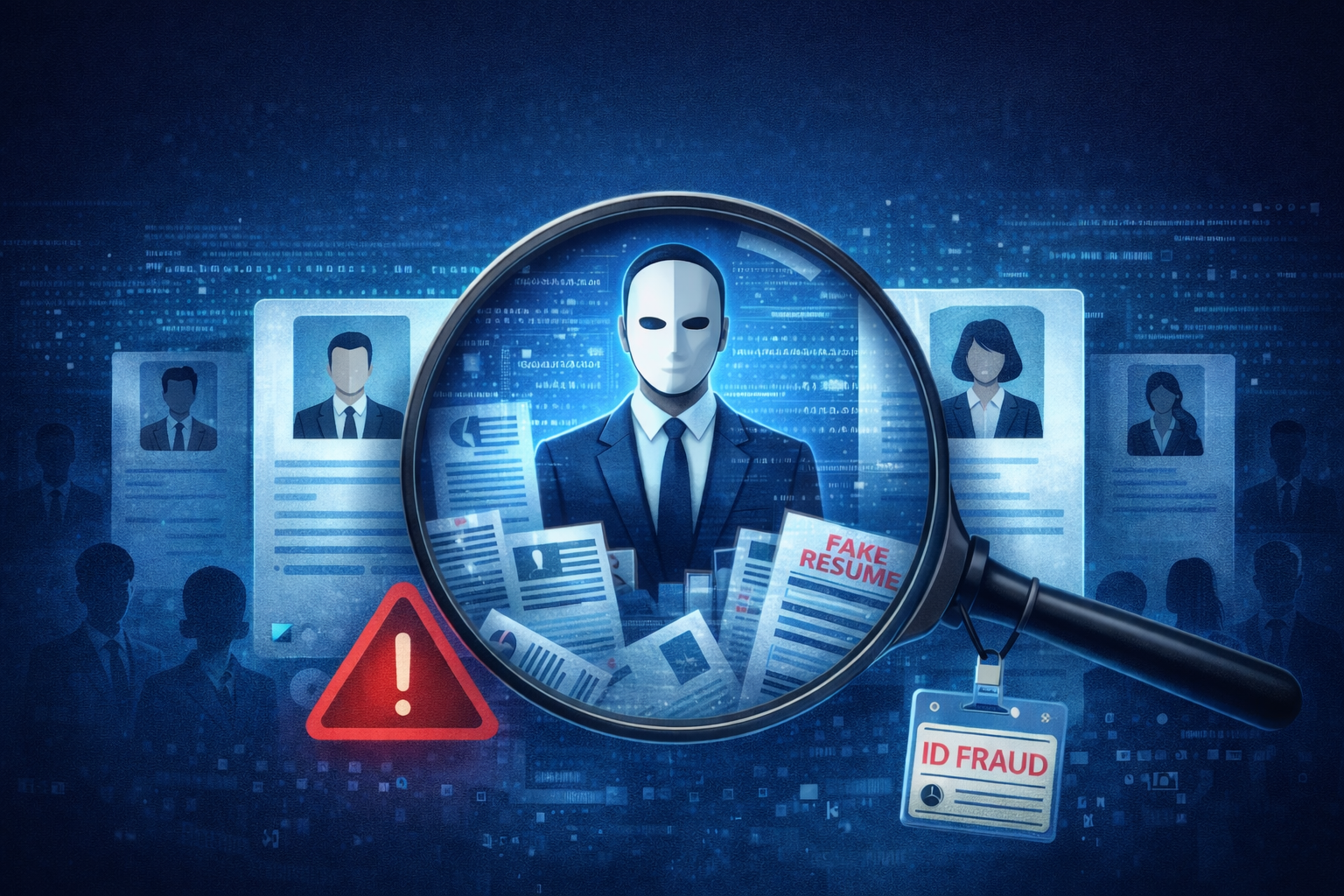
Hiring has never been more complex, and in 2026 a new challenge is quickly gaining attention. Fake candidates are becoming more common.
From AI generated resumes to identity fraud and even candidates outsourcing interviews, employers are facing a growing wave of deception that is becoming harder to detect. What used to be occasional exaggeration has evolved into sophisticated, technology driven misrepresentation.
For HR leaders and business owners, this trend introduces a serious question. How can you trust who you are hiring?
What Do We Mean by Fake Candidates
Fake candidates are not always obvious. In many cases, they appear highly qualified on paper and perform well during early interactions.
Common forms include:
- AI generated or heavily enhanced resumes
- Fabricated employment history or credentials
- Identity fraud or impersonation
- Candidates using another person to complete technical interviews
- Deepfake video or voice manipulation in remote interviews
These tactics are becoming more accessible as technology advances, making it easier for individuals to present a polished but inaccurate version of themselves.
Why This Trend Is Growing in 2026
Several factors are driving the rise of fake candidates.
1. Easy Access to AI Tools
AI can now generate realistic resumes, cover letters, and even interview responses in seconds. Candidates can tailor applications perfectly to job descriptions without having the actual experience.
2. Remote Hiring Environments
With more companies hiring remotely, face to face verification has decreased. This creates opportunities for identity misrepresentation or third party involvement during interviews.
3. Economic Pressure
In uncertain economic conditions, some candidates feel increased pressure to secure employment, even if it means stretching or fabricating the truth.
4. Faster Hiring Expectations
When companies prioritize speed, verification steps may be shortened or skipped, creating openings for fraudulent candidates to slip through.
The Real Risk to Employers
Hiring a fake candidate is more than just an inconvenience. It can have significant consequences including:
- Financial loss from rehiring and retraining
- Reduced productivity due to underqualified employees
- Security risks, especially for roles with access to sensitive data
- Compliance exposure if proper due diligence was not followed
- Damage to team morale and trust
In some cases, companies have reported losses in the tens of thousands of dollars due to fraudulent hires.
Warning Signs HR Should Watch For
While some fake candidates are highly convincing, there are still red flags HR teams can look for.
Inconsistent Information
- Mismatched dates, job titles, or responsibilities
- Resumes that feel overly generic or too perfect
Unusual Interview Behavior
- Avoiding video interviews or camera use
- Delayed or scripted responses
- Inconsistent communication styles across interactions
Verification Challenges
- Difficulty confirming past employment
- References that seem unreliable or hard to reach
- Credentials that cannot be independently verified
Too Good to Be True
- Candidates who appear perfectly aligned with every requirement
- Unusually fast or rehearsed responses to technical questions
How Employers Can Protect Themselves
As this trend grows, HR teams must take a more proactive approach to verification.
Strengthen Background Screening
A comprehensive background screening process helps validate key information such as:
- Employment history
- Education credentials
- Identity
- Criminal records where applicable
Verify Identity Early
Confirming a candidate’s identity at the start of the hiring process can prevent impersonation and ensure consistency throughout interviews and onboarding.
Use Structured Interview Processes
Standardized questions and multiple interview touchpoints can help identify inconsistencies and reduce the risk of deception.
Slow Down Where It Matters
While speed is important, skipping verification steps can lead to costly mistakes. Taking the time to confirm critical details can save significant resources later.
Why Human Verification Matters More Than Ever
Technology has made hiring faster, but it has also made deception easier.
Automated systems can process data quickly, but they often miss context, nuance, and inconsistencies that trained professionals can identify. Human review plays a critical role in:
- Spotting irregularities
- Asking the right follow up questions
- Interpreting results accurately
- Ensuring fair and compliant decision making
At a time when candidates can use technology to their advantage, human expertise becomes a critical line of defense.
Final Thoughts: Trust Must Be Verified
The hiring landscape is changing. In 2026, trust is no longer assumed. It must be verified.
Fake candidates are not just a passing trend. They represent a growing challenge that requires awareness, stronger processes, and reliable screening practices.
Organizations that adapt to this new reality will be better positioned to:
- Protect their workforce
- Reduce risk
- Maintain productivity
- Build teams they can truly rely on
Because in today’s hiring environment, what you do not verify can hurt you.
Start with your first line of defense by adopting ID Verification in your background screening process.